

 Designer Eyewear
 Dry Eye Treatment

Kerrville ISD Vision Readiness: Why Your Student Needs More Than a Basic School Eye Screening
Kerrville ISD Vision Readiness: Why Your Student Needs More Than a Basic School Eye Screening
As Kerrville ISD students return to the classroom, clear and comfortable vision becomes essential for reading, writing, using digital devices, seeing the board, and participating in sports. School vision screenings can help identify obvious eyesight concerns, but they do not provide the same level of evaluation as a comprehensive pediatric eye exam.
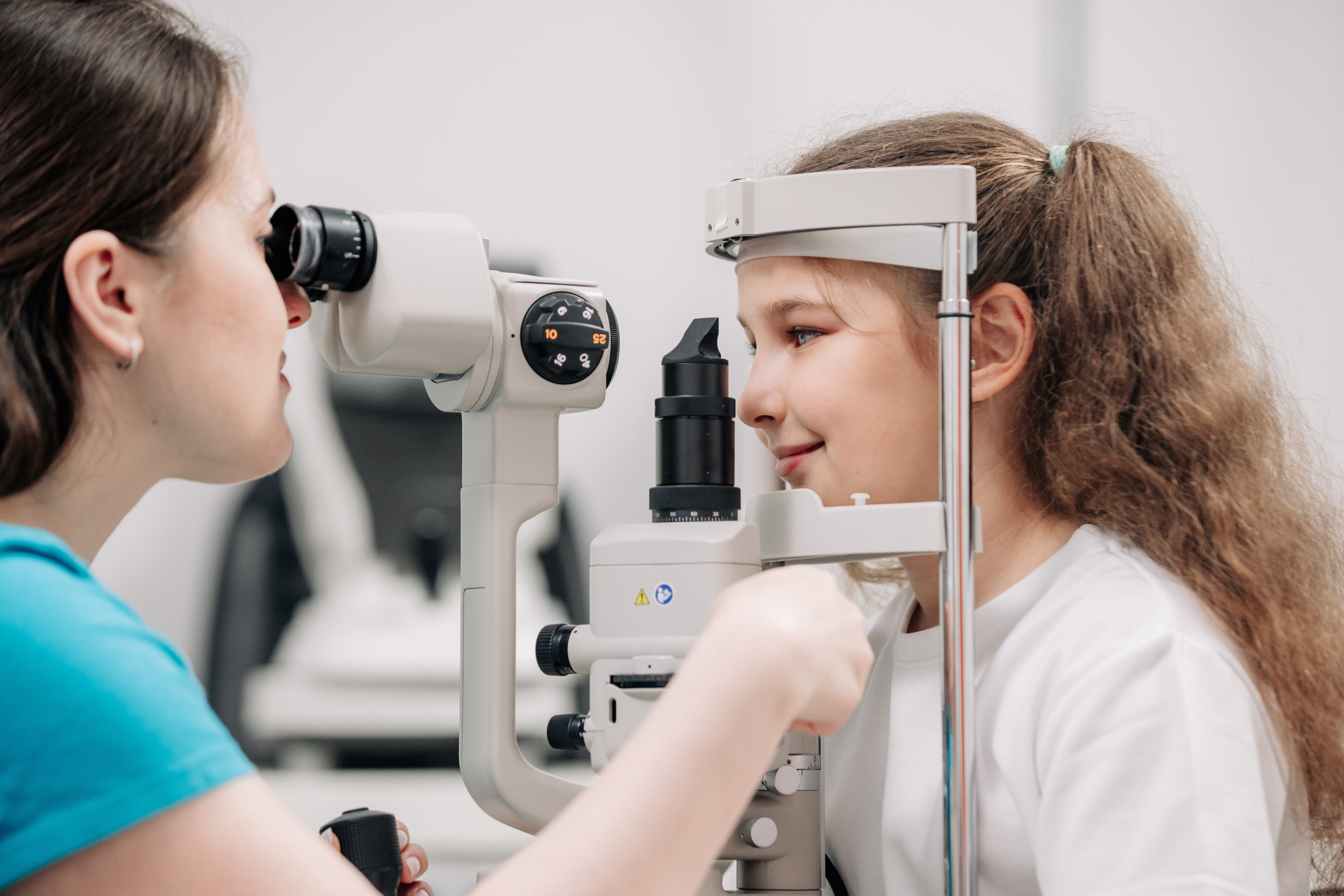
At Texas State Optical Kerrville, we examine the entire visual system to help parents understand whether their child is truly prepared for the demands of the school year. A pediatric eye exam evaluates much more than how clearly a student can read letters from across the room.
What Does a School Vision Screening Check?
A typical school vision screening focuses primarily on visual acuity, which measures how clearly a child sees at a specific distance. Students may be asked to read letters, numbers, or symbols from an eye chart.
This can help identify some cases of nearsightedness or reduced distance vision, but passing the screening does not guarantee that every visual skill is working properly. A child can have 20/20 distance vision and still experience difficulty with focusing, eye tracking, or coordination between the two eyes.
For Kerrville students, these skills matter because classroom learning requires frequent shifts between books, computers, worksheets, and the front of the room.
What a Comprehensive Pediatric Eye Exam Evaluates
A comprehensive pediatric eye exam goes beyond identifying blurry distance vision. At Texas State Optical Kerrville, we evaluate both the health of the eyes and how effectively the visual system functions.
Depending on your child's age and needs, the exam may evaluate:
- Near and distance visual clarity
- Nearsightedness, farsightedness, and astigmatism
- Eye focusing and the ability to shift between distances
- Eye tracking and movement
- How effectively both eyes work together
- Depth perception and eye alignment
- Internal and external eye health
These measurements can reveal vision concerns that may not appear during a basic school screening.
Signs Your Child May Have a Vision Problem
Children do not always realize when their eyesight is changing. They may assume that everyone struggles to see the board or experiences tired eyes during homework.
Kerrville parents should watch for squinting, sitting unusually close to screens, holding books near the face, frequently rubbing the eyes, or complaining of headaches after school. A child may also lose their place while reading, struggle to copy information from the board, avoid close work, or become frustrated during homework.
Changes in sports performance can also be a clue. Difficulty tracking a moving ball, judging distance, or reacting quickly may sometimes be connected to a vision issue.
These behaviors can have several possible causes, but a comprehensive eye exam can help determine whether vision is contributing.
Why Back-to-School Timing Matters
Scheduling a pediatric eye exam around the beginning of the Kerrville ISD school year gives families time to address any concerns before classroom demands increase. If a prescription has changed, new glasses can be ordered and adjusted before weeks of homework, testing, and extracurricular activities begin.
An eye exam also creates an important baseline that can be compared with future visits. Children's vision can change as they grow, particularly if nearsightedness begins or progresses during the school years.
Regular eye exams make it easier to identify these changes early instead of waiting until a child begins struggling in the classroom.
Give Your Student a More Complete Vision Check
School screenings serve an important purpose, but they should be viewed as a first check rather than a replacement for professional eye care. A comprehensive pediatric eye exam can evaluate prescription needs, focusing, eye teaming, tracking, and overall eye health in greater detail.
Starting the school year with a clear understanding of your child's vision can help remove unnecessary visual barriers from reading, classroom participation, screen use, sports, and everyday activities.
Schedule your child's comprehensive pediatric eye exam with Texas State Optical Kerrville at 237 W. Water Street, Kerrville, TX 78028. Call (830) 257-6336 to book an appointment for the new school year.
Quick Links
Helpful Articles
article_category: products
article_category: psychiatry
article_category: faqs
article_category: cats
article_category: general
article_category: services
article_category: technology
article_category: dogs
article_category: restorative
article_category: vision therapy
article_category: contact lenses
article_category: health
article_category: conditions
article_category: eye surgery co-management
article_category: exotic
article_category: cosmetic
article_category: surgical procedures
article_category: aesthetics
article_category: preventative
article_category: ocular disease management
article_category: eyeglasses
article_category: eye health
article_category: large animal
[]
article_category: psychiatry
article_category: faqs
article_category: cats
article_category: general
article_category: services
article_category: technology
article_category: dogs
article_category: restorative
article_category: vision therapy
article_category: contact lenses
article_category: health
article_category: conditions
article_category: eye surgery co-management
article_category: exotic
article_category: cosmetic
article_category: surgical procedures
article_category: aesthetics
article_category: preventative
article_category: ocular disease management
article_category: eyeglasses
article_category: eye health
article_category: large animal
[]
Flowbite is an open-source library of interactive components built on top of Tailwind CSS including buttons, dropdowns, modals, navbars, and more.
Check out this guide to learn how to get started and start developing websites even faster with components on top of Tailwind CSS.

All Eyecare Services
We offer a wide variety of eye care services to the Kerrville community. Contact us with any questions about our services.

Keep In Touch
For non-urgent questions or to learn more about our services, contact us today!

Contact Information
Office Hours
- Monday 8:30 AM - 5:30 PM
- Tuesday 8:30 AM - 5:30 PM
- Wednesday 8:30 AM - 5:30 PM
- Thursday 8:30 AM - 5:30 PM
- Friday 8:30 AM - 5:30 PM
- Saturday Closed
- Sunday Closed
- Monday 9:00am - 6:00pm
- Tuesday 9:00am - 6:00pm
- Wednesday 9:00am - 6:00pm
- Thursday 9:00am - 6:00pm
- Friday 9:00am - 6:00pm
- Saturday 10:00am - 2:00pm
- Sunday Closed
- Monday 8:00am - 5:00pm
- Tuesday
- Wednesday
- Thursday
- Friday
- Saturday
- Sunday
© 2026 Texas State Optical. All rights Reserved - Accessibility Statement - Privacy Policy - Sitemap
Managed and Designed by 