

 Designer Eyewear
 Dry Eye Treatment

Burning, Itchy Eyes in September? It’s Not a Cold—It’s Hill Country Cedar Elm Allergy Season
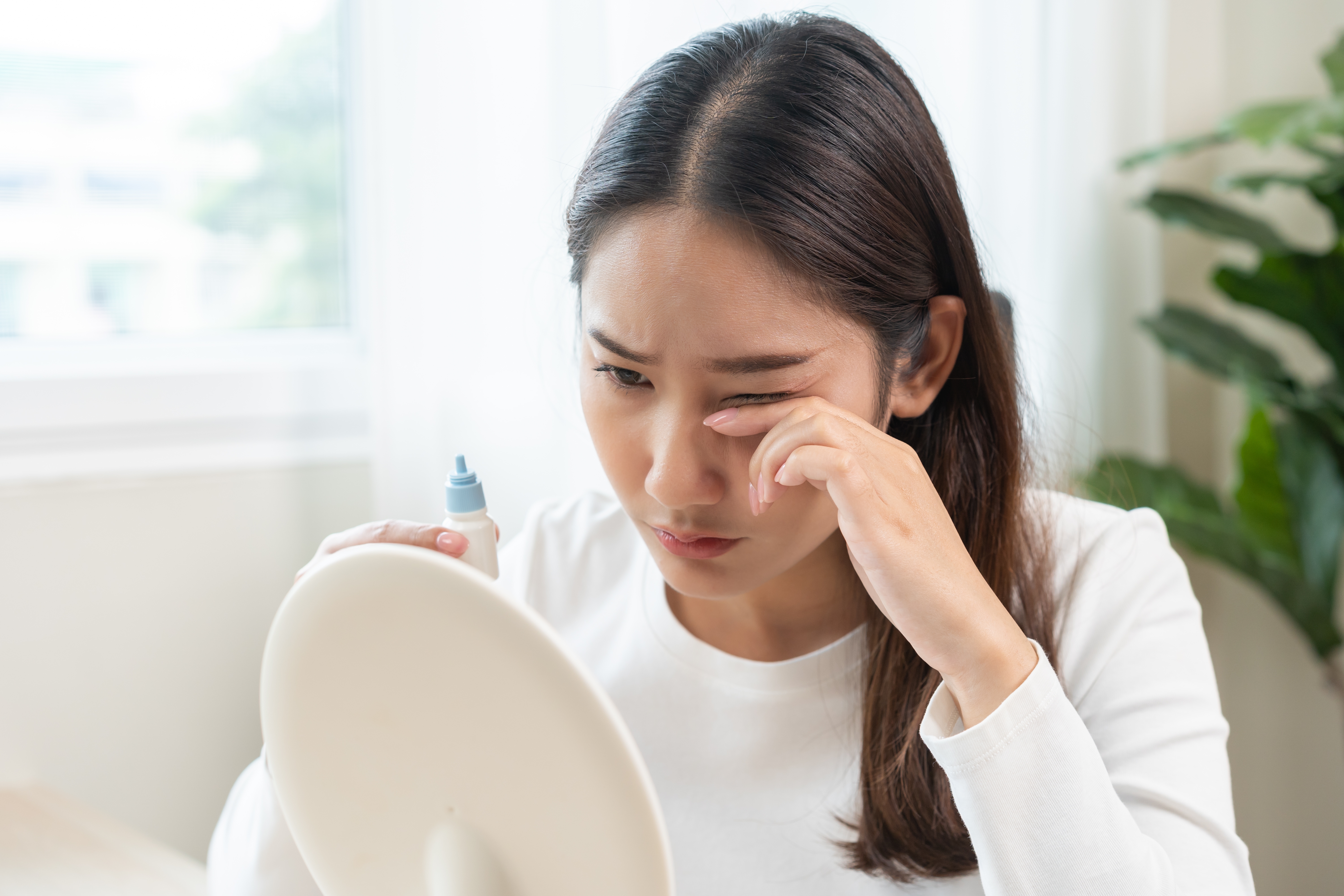
Burning, Itchy Eyes in September? It’s Not a Cold—It’s Hill Country Cedar Elm Allergy Season
September in the Texas Hill Country can bring more than a change in the weather. Cedar elm releases pollen during the fall, and for allergy-sensitive patients in Kerrville, exposure can contribute to itchy, watery, red, and irritated eyes. These symptoms may sometimes feel like the beginning of a cold, especially when sneezing or nasal congestion occurs at the same time.
At Texas State Optical Kerrville, we evaluate persistent eye irritation to determine whether seasonal eye allergies, dry eye, infection, or another condition may be responsible. Recognizing the difference can help you choose appropriate treatment rather than simply waiting for uncomfortable symptoms to pass.
Why Cedar Elm Can Affect Your Eyes in September
Unlike many trees that release pollen primarily in the spring, cedar elm can pollinate during late summer and fall. September can therefore be an active period for people who are sensitive to this particular allergen.
When airborne pollen reaches the surface of the eyes, the immune system can react by releasing histamine and other inflammatory substances. This response can produce allergic conjunctivitis, which affects the clear tissue covering the white part of the eye and lining the eyelids.
Wind can carry pollen considerable distances, so symptoms may develop even if cedar elm trees are not directly outside your Kerrville home.
Signs Seasonal Eye Allergies May Be the Problem
Eye allergies often affect both eyes and are especially associated with itching. Symptoms may become more noticeable after time outdoors or on days when pollen exposure is higher.
Common signs include:
- Intense itching in both eyes
- Clear, watery tearing
- Redness or irritation
- Puffy or swollen eyelids
- Burning or gritty sensations
- Sneezing or nasal congestion at the same time
- Symptoms that repeatedly flare during allergy season
A cold can also produce watery eyes, but symptoms such as a sore throat, body aches, or general illness are more suggestive of a respiratory infection.
Dry Eye Can Feel Similar to Allergies
Not every burning eye in September is caused by pollen. Dry eye can cause many of the same symptoms, including burning, watering, redness, and fluctuating vision.
Dry air, wind, air conditioning, prolonged screen use, and reduced blinking can all destabilize the tear film. Some Kerrville patients may even experience dry eye and seasonal allergies at the same time.
This overlap is one reason an eye exam can be helpful when symptoms keep returning. Treating allergies alone may not provide complete relief if an underlying tear film problem is also present.
How Can You Reduce Fall Allergy Symptoms?
Reducing exposure can help limit irritation. Wearing sunglasses outdoors may provide a physical barrier against airborne pollen. Washing your face and changing clothes after spending extended time outside can also help prevent allergens from remaining around your eyes.
A cool compress may temporarily soothe itching and swelling. Artificial tears can help rinse allergens from the ocular surface and improve lubrication.
Most importantly, avoid repeatedly rubbing itchy eyes. Rubbing can increase irritation and may make inflammation feel worse.
When Allergy Eye Drops May Help
Depending on your symptoms and eye health, your eye doctor may recommend antihistamine or other allergy eye drops designed to control the allergic response.
Using the right product matters because redness, burning, and watery eyes can have multiple causes. Some over-the-counter redness-relieving drops are not intended to treat the underlying allergy and may not be appropriate for frequent use.
Contact lens wearers should be especially careful when eye irritation develops. Removing lenses may be necessary during a significant flare, and persistent redness or discomfort should be professionally evaluated.
Know When It Is More Than Seasonal Allergies
Severe eye pain, significant light sensitivity, sudden vision changes, thick discharge, or symptoms that primarily affect one eye should not automatically be blamed on cedar elm pollen. These signs can indicate another eye condition requiring prompt attention.
If September is bringing persistent burning, itching, redness, or watery eyes, schedule a medical eye exam with Texas State Optical Kerrville at 237 W. Water Street, Kerrville, TX 78028, or call (830) 257-6336 to determine whether seasonal allergies, dry eye, or another condition is behind your symptoms.
Quick Links
Helpful Articles
article_category: products
article_category: psychiatry
article_category: faqs
article_category: cats
article_category: general
article_category: services
article_category: technology
article_category: dogs
article_category: restorative
article_category: vision therapy
article_category: contact lenses
article_category: health
article_category: conditions
article_category: eye surgery co-management
article_category: exotic
article_category: cosmetic
article_category: surgical procedures
article_category: aesthetics
article_category: preventative
article_category: ocular disease management
article_category: eyeglasses
article_category: eye health
article_category: large animal
[]
Flowbite is an open-source library of interactive components built on top of Tailwind CSS including buttons, dropdowns, modals, navbars, and more.
Check out this guide to learn how to get started and start developing websites even faster with components on top of Tailwind CSS.

All Eyecare Services
We offer a wide variety of eye care services to the Kerrville community. Contact us with any questions about our services.

Keep In Touch
For non-urgent questions or to learn more about our services, contact us today!

Contact Information
Office Hours
- Monday 8:30 AM - 5:30 PM
- Tuesday 8:30 AM - 5:30 PM
- Wednesday 8:30 AM - 5:30 PM
- Thursday 8:30 AM - 5:30 PM
- Friday 8:30 AM - 5:30 PM
- Saturday Closed
- Sunday Closed
- Monday 9:00am - 6:00pm
- Tuesday 9:00am - 6:00pm
- Wednesday 9:00am - 6:00pm
- Thursday 9:00am - 6:00pm
- Friday 9:00am - 6:00pm
- Saturday 10:00am - 2:00pm
- Sunday Closed
- Monday 8:00am - 5:00pm
- Tuesday
- Wednesday
- Thursday
- Friday
- Saturday
- Sunday
© 2026 Texas State Optical. All rights Reserved - Accessibility Statement - Privacy Policy - Sitemap
Managed and Designed by 